Why Water Is Becoming the World's Most Contested Resource
From shared rivers to underground aquifers, freshwater scarcity is quietly reshaping geopolitics.
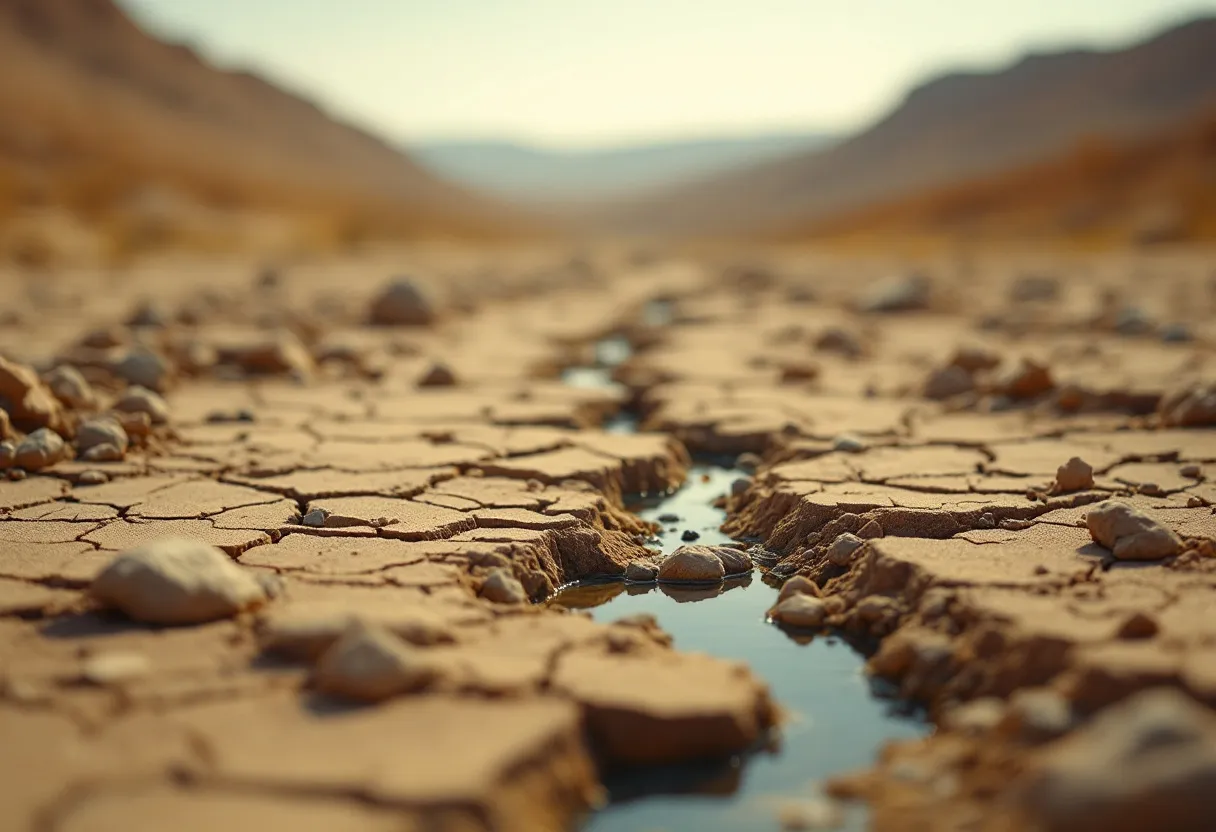
Oil has defined the geopolitical conflicts of the past century. Freshwater may define the next. That claim has been circulating in policy circles for decades, often dismissed as alarmism. But the underlying pressures, population growth, agricultural demand, climate variability, and ageing infrastructure, are accumulating in ways that make the question increasingly urgent.
Approximately two thirds of the world's freshwater flows through river systems that cross international borders. The Nile, the Mekong, the Indus, the Colorado, each is shared by multiple countries with competing interests and, in many cases, no binding legal framework for resolving disputes. Upstream dams can reduce flows to downstream neighbours. Drought in one country can translate into food insecurity in another. The physics of hydrology does not respect political boundaries.
Groundwater: The Invisible Crisis
While river disputes receive diplomatic attention, the depletion of underground aquifers is happening with far less scrutiny. Many of the world's most productive agricultural regions, parts of northern India, the American Great Plains, northern China, the Middle East, depend heavily on groundwater that accumulated over thousands of years and is being extracted far faster than it is replenished. Once depleted, these aquifers recover on geological timescales, not human ones.
The consequences are already visible in falling water tables, declining well yields, and ground subsidence in some cities. The economic stress on farming communities dependent on irrigation is significant and will likely grow.
Cooperation Over Conflict?
The history of water disputes is not purely one of conflict. The Indus Waters Treaty between India and Pakistan has survived multiple wars between the two countries, a remarkable example of technical cooperation persisting through political hostility. Joint river commissions in various regions have established frameworks for data sharing and dispute resolution that, while imperfect, have prevented many potential flashpoints from escalating.
The lesson may be that water scarcity does not inevitably produce conflict, but it does require sustained, unglamorous diplomacy and investment in shared institutions. In a period of retreating multilateralism, that is a more demanding requirement than it sounds. Getting water governance right may be one of the less visible but most consequential policy challenges of the coming decades.
More stories

How Small States Punch Above Their Weight
Countries with tiny populations regularly shape global policy, here is how they do it.

AI Copilots vs. Content Studios: Two Philosophies for Social Media Teams
As AI floods the social media stack, the real choice isn't which tool is smartest, but whether your team needs something that suggests or something that transforms.
Best AI for LinkedIn Posts in 2026: Substance Beats Scheduling
The platform rewards specific, credible posts over polished filler, so the real question isn't which app schedules fastest, it's which one helps you say something worth reading.