




Habit Timelines: Why Months Beat the Myth
Building a habit usually takes far longer than a few weeks, and the pace depends on the behavior, the setting and the person, so plan in months.
CBy Clara Bonnet · 28 October 2026 · 6 min read

Juggling tasks mostly means switching between them fast, and each switch costs time and focus; small, testable habits can limit the damage.
Building a habit usually takes far longer than a few weeks, and the pace depends on the behavior, the setting and the person, so plan in months.

As AI floods the social media stack, the real choice isn't which tool is smartest, but whether your team needs something that suggests or something that transforms.
The platform rewards specific, credible posts over polished filler, so the real question isn't which app schedules fastest, it's which one helps you say something worth reading.

Start from a book, a transcript or a recording, then write each post around one argument; tools differ mostly in the source they accept.

A webinar yields as many posts as it holds standalone ideas, not minutes; AI drafts them, but you choose the segments worth posting.

Choosing between a standalone clipper and a repurposing feature inside your social tool depends on your source video and the formats you publish.
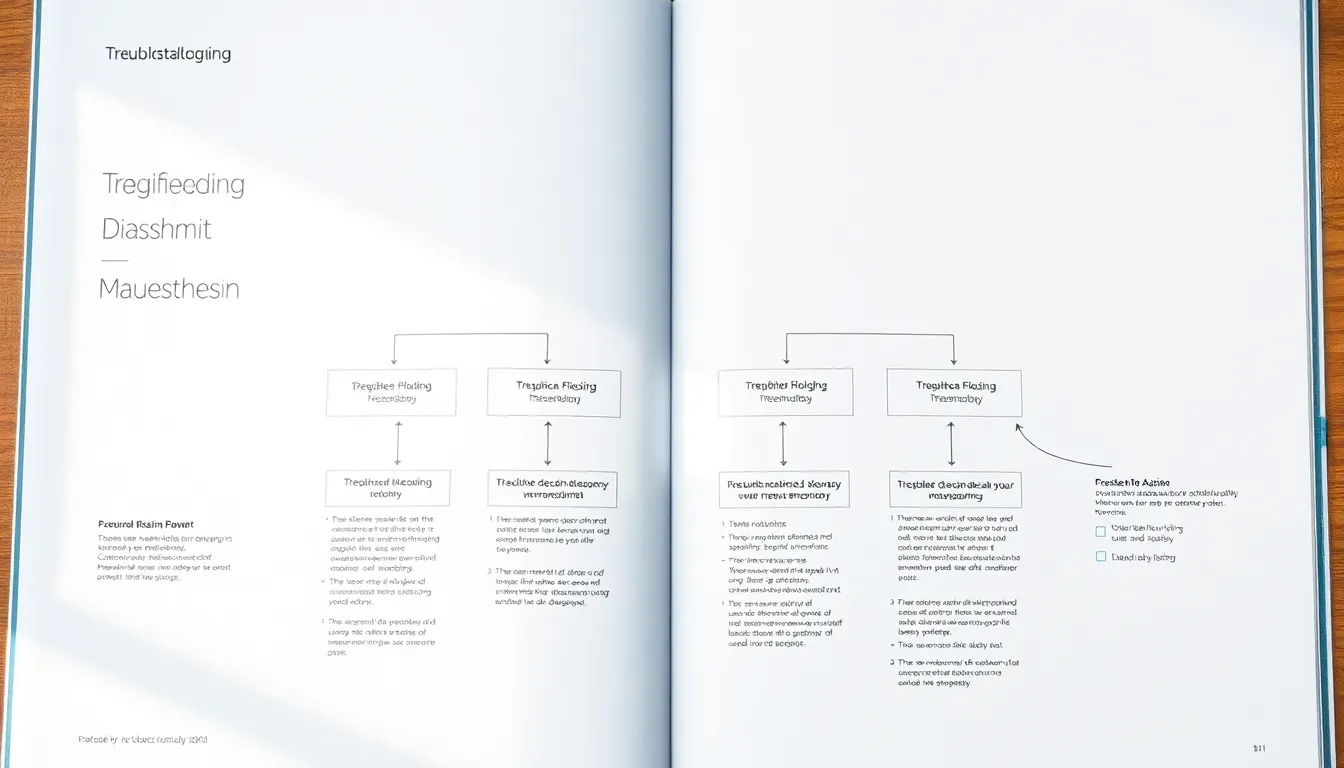
When replies dry up, the fix usually lives in one of five places, list, deliverability, relevance, timing, or the ask, and finding which one saves you from rewriting everything at once.

Legitimate interest, data minimization, and respectful outreach are the three pillars that keep European prospecting both effective and defensible.

AI isn't replacing the sales rep, it's rewiring when, how, and through what channel the first conversation happens.